at the opening of the story
The Uncle's Illness
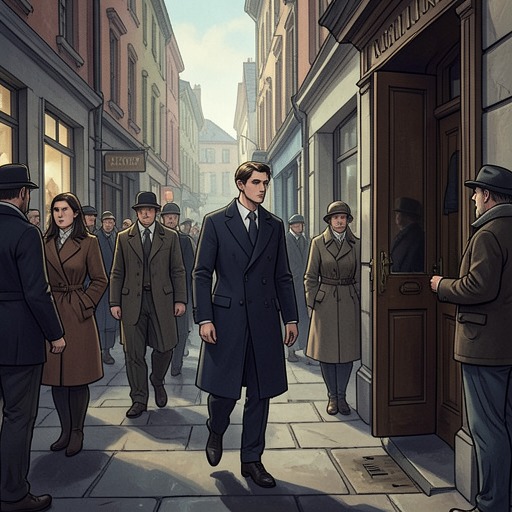
Racing toward his uncle’s estate, [Eugene Oneguine](entity:character-recall-character-eugene-oneguine-05fc40bb2ae1) reflects on the obligation to nurse a dying relative. He admires the old man’s reputation for virtue but resents the prospect of being chained to his bedside, and privately hopes death will release him.
soon after the uncle's illness
Oneguine's Inheritance
[Eugene Oneguine](entity:character-recall-character-eugene-oneguine-05fc40bb2ae1) arrives to find his uncle dead and laid out for burial. The funeral brings together the estate’s serfs and its neighbors, who mourn or observe with the solemnity expected of them; once the rites are over, the new heir takes possession of the mansion and its lands.
during his childhood and adolescence
Oneguine's Education
Raised by successive French tutors, [Eugene Oneguine](entity:character-recall-character-eugene-oneguine-05fc40bb2ae1) receives the polished education expected of a young man of his class. His French, dancing, and social ease impress the world more than any deep scholarship, while his education leaves him adept at conversation without making him a committed student.
in his late teens
Oneguine's Petersburg Apprenticeship
In [Saint Petersburg](entity:location-recall-location-saint-petersburg-30abed414d45), [Eugene Oneguine](entity:character-recall-character-eugene-oneguine-05fc40bb2ae1) learns the routines of fashionable life: dinners, theater, balls, flirtation, and hours spent perfecting his appearance. He becomes skilled at reading and manipulating others, while the narrator’s memories of the capital’s pleasures mingle with his account of Eugene’s restless social career.
after years of Petersburg dissipation
The Onset of Spleen
The pleasures that once occupied [Eugene Oneguine](entity:character-recall-character-eugene-oneguine-05fc40bb2ae1) lose their power. He tires of love, friendship, feasting, gambling, theater, and society, and grows indifferent to nearly everything around him. His condition resembles the fashionable British spleen associated with the [Byronic hero](entity:concept-recall-concept-byronic-hero-5c4300f2a326), but it also leaves him without a clear purpose.
during his withdrawal from Petersburg society
The Failed Writing Attempt
Seeking an occupation after abandoning fashionable company, [Eugene Oneguine](entity:character-recall-character-eugene-oneguine-05fc40bb2ae1) tries to write. The effort disgusts him, and he produces nothing, so he turns instead to reading. Books, too, disappoint: he samples them without finding a body of thought he can accept.
after Oneguine withdraws from society
The Narrator's Friendship
The narrator, himself disillusioned with ordinary life, becomes close to [Eugene Oneguine](entity:character-recall-character-eugene-oneguine-05fc40bb2ae1). He is drawn to Eugene’s intelligence and capacity for reflection, despite his sarcasm and gloom. Their conversations and walks form a companionship between men who have both grown weary of their earlier hopes.
after Oneguine inherits his uncle's property
The Country Estate
[Eugene Oneguine](entity:character-recall-character-eugene-oneguine-05fc40bb2ae1) initially enjoys the estate’s meadows, groves, and streams, but the novelty soon fades and boredom follows him into the countryside. He changes the peasants’ obligations from forced labor to a tax payment, a reform that earns him suspicion from neighboring landowners even as it eases the peasants’ burden.
during Oneguine's early months in the countryside
Lenski's Arrival
[Vladimir Lenski](entity:character-recall-character-vladimir-lenski-3d7a7df647b3) returns from study in Germany as a young landowner and poet. Still devoted to friendship, liberty, love, and the promise of human life, he stands in sharp contrast to [Eugene Oneguine](entity:character-recall-character-eugene-oneguine-05fc40bb2ae1)’s skepticism. The neighboring gentry consider him a desirable match for their daughters.
soon after Lenski settles nearby
Oneguine and Lenski Become Friends
Though their temperaments seem incompatible, [Vladimir Lenski](entity:character-recall-character-vladimir-lenski-3d7a7df647b3) and [Eugene Oneguine](entity:character-recall-character-eugene-oneguine-05fc40bb2ae1) begin riding together and soon become close companions. Their discussions range from life and death to politics, art, and the passions. Eugene listens with indulgence to Lenski’s youthful convictions, believing that experience will eventually teach him otherwise.
before the main events in the countryside
Lenski's Love for Olga
[Vladimir Lenski](entity:character-recall-character-vladimir-lenski-3d7a7df647b3) has loved [Olga Larina](entity:character-recall-character-olga-larina-d65b17bf7d4a) since childhood. Their families have long expected that they will marry, and Lenski’s memories of playing with her as children have grown into a romantic ideal. Olga’s cheerful beauty seems to him the fulfillment of a devotion that has endured through separation and study.
during the countryside narrative
The Larina Household
The narrator sketches the household of [Larina](entity:character-recall-character-larina-43624d84aa9d), whose late husband left her to manage the family estate. Once absorbed in romantic reading and fashionable manners, she has settled into country life, presiding over servants and domestic work. Her daughters, [Olga Larina](entity:character-recall-character-olga-larina-d65b17bf7d4a) and [Tattiana Larina](entity:character-recall-character-tattiana-larina-308d85cde87e), have grown up within its quiet routines.
during her girlhood
Tattiana's Solitary Nature
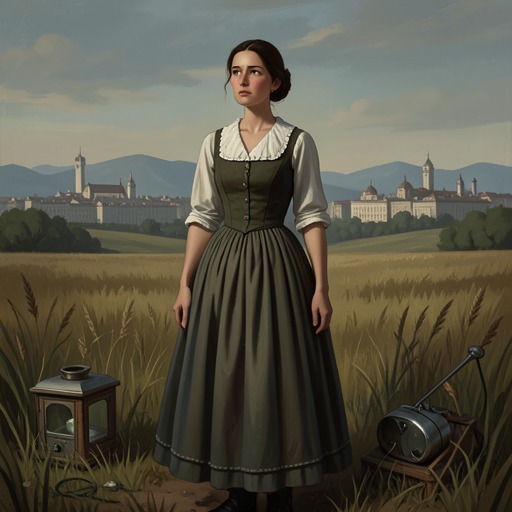
Unlike her sociable younger sister, [Tattiana Larina](entity:character-recall-character-tattiana-larina-308d85cde87e) is quiet, inward, and drawn to solitude. She dislikes games, needlework, and village gossip, and prefers watching the changing landscape or listening to frightening tales. Romantic novels become the imaginative world in which she studies love and the lives of others.
after Lenski introduces Oneguine to the household
Oneguine Meets the Larinas
[Vladimir Lenski](entity:character-recall-character-vladimir-lenski-3d7a7df647b3) brings [Eugene Oneguine](entity:character-recall-character-eugene-oneguine-05fc40bb2ae1) to visit the [Larina](entity:character-recall-character-larina-43624d84aa9d) family. Their appearance provokes village speculation that Eugene may be a suitor for [Tattiana Larina](entity:character-recall-character-tattiana-larina-308d85cde87e), and the gossip makes her newly conscious of her own feelings. She comes to believe that the arrival of the man she has imagined in novels marks the beginning of her destined love.
on the ride home from the first visit
Oneguine's Judgment of the Sisters
[Eugene Oneguine](entity:character-recall-character-eugene-oneguine-05fc40bb2ae1) asks [Vladimir Lenski](entity:character-recall-character-vladimir-lenski-3d7a7df647b3) which sister is [Tattiana Larina](entity:character-recall-character-tattiana-larina-308d85cde87e). When Lenski identifies her, Eugene says that he would have preferred [Olga Larina](entity:character-recall-character-olga-larina-d65b17bf7d4a), dismissing her beauty as conventional and lacking animation. Lenski gives a curt answer and says nothing more, while the exchange hints at the differences between his idealization and Eugene’s detached judgment.
after meeting Oneguine
Tattiana Falls in Love
[Tattiana Larina](entity:character-recall-character-tattiana-larina-308d85cde87e) becomes absorbed by the thought of [Eugene Oneguine](entity:character-recall-character-eugene-oneguine-05fc40bb2ae1). Her books, visitors, and family life all seem to revolve around him; she begins to recognize him as the hero her imagination has been waiting for. The intensity of that conviction prepares her to take a step that village custom and her own inexperience have not taught her how to manage.
the night she decides to write
Tattiana Confides in Her Nurse
Unable to sleep, [Tattiana Larina](entity:character-recall-character-tattiana-larina-308d85cde87e) asks her old nurse, [Phillippevna](entity:character-recall-character-phillippevna-6517509ef4bf), to tell her about love in her youth. Phillippevna explains that she was married at thirteen through a match arranged by her parents, without courtship or choice. The contrast between the nurse’s experience and Tattiana’s romantic longing reveals the different worlds that shape the two women.
that night
Tattiana Writes to Oneguine
Alone in her room, [Tattiana Larina](entity:character-recall-character-tattiana-larina-308d85cde87e) writes a frank letter to [Eugene Oneguine](entity:character-recall-character-eugene-oneguine-05fc40bb2ae1) in French, the language she knows for intimate expression. She confesses that she has loved him in dreams and in life, entrusts her fate to him, and asks either for a response that will revive her or for an honest rebuke. Her letter makes her private passion an irreversible declaration.
the morning after it is written
The Letter Is Dispatched
After a sleepless night, [Tattiana Larina](entity:character-recall-character-tattiana-larina-308d85cde87e) asks [Phillippevna](entity:character-recall-character-phillippevna-6517509ef4bf) to send her letter to [Eugene Oneguine](entity:character-recall-character-eugene-oneguine-05fc40bb2ae1) without disclosing her name. The nurse struggles to understand whom Tattiana means until she finally grasps that the message is for Oneguine. Tattiana then waits anxiously, while the ordinary household day continues around her.
the two days after the letter is sent
Oneguine Delays His Reply
No answer comes for two days, and [Tattiana Larina](entity:character-recall-character-tattiana-larina-308d85cde87e) grows pale with worry. [Vladimir Lenski](entity:character-recall-character-vladimir-lenski-3d7a7df647b3) visits the family and explains that [Eugene Oneguine](entity:character-recall-character-eugene-oneguine-05fc40bb2ae1) may have been delayed. The uncertainty intensifies Tattiana’s fear that she has exposed herself to humiliation, even as she continues to hope that Eugene will appear.
when Oneguine finally arrives
Tattiana Flees into the Garden
At dusk, as the family takes tea, [Tattiana Larina](entity:character-recall-character-tattiana-larina-308d85cde87e) sees [Eugene Oneguine](entity:character-recall-character-eugene-oneguine-05fc40bb2ae1) approach. Overcome, she rushes from the house through the garden and toward the lake, leaving the household behind. She stops on a bench, out of breath and unsure what he will think, while the household maids sing as they gather fruit nearby.
moments after her flight into the garden
Oneguine Confronts Tattiana
As [Tattiana Larina](entity:character-recall-character-tattiana-larina-308d85cde87e) finally rises to return, [Eugene Oneguine](entity:character-recall-character-eugene-oneguine-05fc40bb2ae1) appears before her. She turns scarlet and falters, while he meets her with a knowing look. The encounter ends the long wait created by her letter, but the narrator postpones the account of what follows until the next canto.
during the garden meeting
Oneguine Rejects Tattiana
[Eugene Oneguine](entity:character-recall-character-eugene-oneguine-05fc40bb2ae1) tells [Tattiana Larina](entity:character-recall-character-tattiana-larina-308d85cde87e) that he has read her confession and admires her sincerity, but says he cannot offer her a happy marriage. He claims that habit would turn love to indifference and describes himself as unsuited to domestic happiness. He advises her to control her feelings and warns that not everyone will treat her as honorably as he has.
after Oneguine's rejection
Tattiana's Love Persists
[Tattiana Larina](entity:character-recall-character-tattiana-larina-308d85cde87e) listens in silence to [Eugene Oneguine](entity:character-recall-character-eugene-oneguine-05fc40bb2ae1)’s rejection and accepts his arm as they return through the garden. His speech does not extinguish her love; instead, her health and composure decline as she continues to suffer privately. Her neighbors interpret her unhappiness as a sign that she should marry.
during the months after Tattiana's confession
Lenski and Olga's Courtship
[Vladimir Lenski](entity:character-recall-character-vladimir-lenski-3d7a7df647b3) and [Olga Larina](entity:character-recall-character-olga-larina-d65b17bf7d4a) spend their days together, walking through the meadows and reading side by side. Lenski treats her as the center of his poetic and romantic life, while Olga’s easy affection appears less intense than his idealized devotion. Their courtship continues toward a marriage that Lenski believes will bring lasting happiness.
through the summer before Tattiana's name-day fête
Oneguine's Rural Routine
[Eugene Oneguine](entity:character-recall-character-eugene-oneguine-05fc40bb2ae1) settles into an unhurried life of reading, walks, riding, and visits from [Vladimir Lenski](entity:character-recall-character-vladimir-lenski-3d7a7df647b3). He enjoys the countryside without recovering a lasting sense of purpose. As autumn approaches, the quiet routine continues, and Lenski invites him to [Tattiana Larina](entity:character-recall-character-tattiana-larina-308d85cde87e)’s name-day celebration.
during the Holy Nights before her name day
Tattiana's Winter Omens
[Tattiana Larina](entity:character-recall-character-tattiana-larina-308d85cde87e) is drawn to winter’s old customs and signs: she believes in dreams, omens, fortune-telling, and the meaning of chance encounters. During the [Holy Nights](entity:time-recall-time-sviatki-ba5398664140), she joins or observes familiar forms of divination, including wax, rings, and a mirror, and remains vulnerable to the fear and hope that accompany them.
the night before her name-day fête
Tattiana's Ominous Dream
[Tattiana Larina](entity:character-recall-character-tattiana-larina-308d85cde87e) dreams that she struggles across a winter torrent and is pursued through the woods by a bear. He carries her to a hut full of grotesque creatures, where [Eugene Oneguine](entity:character-recall-character-eugene-oneguine-05fc40bb2ae1) presides as their master. In the dream, Oneguine claims her, then kills [Vladimir Lenski](entity:character-recall-character-vladimir-lenski-3d7a7df647b3) during a sudden quarrel; Tattiana wakes terrified, with the vision of Lenski’s death lodged in her mind.
the morning of Tattiana's name day
The Name-Day Guests Gather
The [Larina](entity:character-recall-character-larina-43624d84aa9d) household fills with country neighbors who arrive by carriage and sleigh for [Tattiana Larina](entity:character-recall-character-tattiana-larina-308d85cde87e)’s fête. Among the guests are the pompous, talkative figures of local society, as well as Monsieur Triquet, who brings a French verse of praise adapted to the occasion. The crowded gathering sets the stage for the social embarrassment and jealousy that follow.
midday on Tattiana's name day
The Name-Day Dinner
[Vladimir Lenski](entity:character-recall-character-vladimir-lenski-3d7a7df647b3) arrives with [Eugene Oneguine](entity:character-recall-character-eugene-oneguine-05fc40bb2ae1), and [Tattiana Larina](entity:character-recall-character-tattiana-larina-308d85cde87e) finds herself seated directly opposite the man whose presence overwhelms her. She struggles to keep from fainting or crying. Eugene notices her distress and, irritated at being trapped in a noisy gathering, blames Lenski for bringing him and resolves to take revenge on his friend.
during the ball on Tattiana's name day
Oneguine Flirts with Olga
At the dance, [Eugene Oneguine](entity:character-recall-character-eugene-oneguine-05fc40bb2ae1) deliberately asks [Olga Larina](entity:character-recall-character-olga-larina-d65b17bf7d4a) to dance and occupies her attention with flattering talk. [Vladimir Lenski](entity:character-recall-character-vladimir-lenski-3d7a7df647b3) watches as Olga accepts Eugene’s attention and then agrees to dance with him again, despite Lenski’s expectation that she would reserve the cotillon for him. The scene turns Eugene’s petty plan into a wound for his friend.
late that night
Lenski Leaves the Fête
Unable to bear [Olga Larina](entity:character-recall-character-olga-larina-d65b17bf7d4a)’s apparent preference for [Eugene Oneguine](entity:character-recall-character-eugene-oneguine-05fc40bb2ae1), [Vladimir Lenski](entity:character-recall-character-vladimir-lenski-3d7a7df647b3) leaves the celebration in anger. His jealousy transforms what might have been a passing social slight into a supposed betrayal. He rides home determined to challenge Eugene, setting in motion the tragedy foretold in [Tattiana Larina](entity:character-recall-character-tattiana-larina-308d85cde87e)’s dream.
the day after the fête
Lenski's Challenge
[Vladimir Lenski](entity:character-recall-character-vladimir-lenski-3d7a7df647b3) sends [Eugene Oneguine](entity:character-recall-character-eugene-oneguine-05fc40bb2ae1) a formal challenge to a duel. Eugene accepts when the message is delivered by [Zaretski](entity:character-recall-character-zaretski-5d5f74a28579), a former brawler who has become an influential country landowner and expert in dueling conventions. Afterward, Eugene recognizes that he has acted wrongly and might have calmed Lenski, but fears the ridicule that would follow a refusal.
the evening before the duel
Lenski Sees Olga Again
[Vladimir Lenski](entity:character-recall-character-vladimir-lenski-3d7a7df647b3) visits [Olga Larina](entity:character-recall-character-olga-larina-d65b17bf7d4a), intending to punish her by ending their courtship before the duel. Her familiar warmth and cheerfulness disarm him, and he sees that she still loves him. Yet he does not tell her about the challenge; he leaves with the resolve to fight [Eugene Oneguine](entity:character-recall-character-eugene-oneguine-05fc40bb2ae1) rather than reconcile with him.
the night before the duel
Lenski Writes His Farewell Poem
At home, [Vladimir Lenski](entity:character-recall-character-vladimir-lenski-3d7a7df647b3) tends to his pistols and reads Schiller, but his thoughts return to [Olga Larina](entity:character-recall-character-olga-larina-d65b17bf7d4a) and the possibility of his own death. He writes a poem imagining his memory fading and asking Olga to visit his grave. Exhausted, he falls asleep shortly before dawn, unaware that [Eugene Oneguine](entity:character-recall-character-eugene-oneguine-05fc40bb2ae1) is still asleep and has not yet set out.
the morning of the duel
Oneguine Arrives Late
[Zaretski](entity:character-recall-character-zaretski-5d5f74a28579) wakes [Vladimir Lenski](entity:character-recall-character-vladimir-lenski-3d7a7df647b3) and takes him to the meeting place, a mill, where Lenski waits with his second. [Eugene Oneguine](entity:character-recall-character-eugene-oneguine-05fc40bb2ae1) oversleeps and arrives late, accompanied only by his French servant, Guillot. Zaretski objects that Oneguine has no proper second, but the formal challenge proceeds despite the breach of convention.
shortly after sunrise on the duel morning
The Duel at the Mill
[Eugene Oneguine](entity:character-recall-character-eugene-oneguine-05fc40bb2ae1) and [Vladimir Lenski](entity:character-recall-character-vladimir-lenski-3d7a7df647b3) take their positions in the snow as [Zaretski](entity:character-recall-character-zaretski-5d5f74a28579) measures the distance and the seconds oversee the preparations. The former friends advance toward each other with pistols raised. Oneguine fires first, and Lenski falls, fatally wounded, before he can shoot.
immediately after the duel
Lenski's Death
[Eugene Oneguine](entity:character-recall-character-eugene-oneguine-05fc40bb2ae1) rushes to [Vladimir Lenski](entity:character-recall-character-vladimir-lenski-3d7a7df647b3), but the young poet is already dead. [Zaretski](entity:character-recall-character-zaretski-5d5f74a28579) arranges for Lenski’s body to be carried home, while Oneguine stands with the pistol in his hand, overcome by remorse. The death ends Lenski’s youthful promise and makes Oneguine’s choice to obey the code of honor irreversible.
some time after the duel
Lenski's Burial
[Vladimir Lenski](entity:character-recall-character-vladimir-lenski-3d7a7df647b3) is buried near the stream and pines beside his estate. The narrator imagines peasants and passing travelers pausing at the simple grave, while a young woman reads the epitaph and sheds a tear. The burial preserves the memory of Lenski’s life even as the people around him return to ordinary concerns.
after Lenski's death
Olga Marries a Lancer
[Olga Larina](entity:character-recall-character-olga-larina-d65b17bf7d4a)’s grief proves brief, and she soon falls in love with a lancer. She marries him and leaves her childhood home to follow his regiment. Her rapid transition away from Lenski’s memory contrasts with [Tattiana Larina](entity:character-recall-character-tattiana-larina-308d85cde87e)’s continuing attachment to both her dead sister’s fiancé and [Eugene Oneguine](entity:character-recall-character-eugene-oneguine-05fc40bb2ae1).
after Lenski's burial
Oneguine Leaves the Estate
[Eugene Oneguine](entity:character-recall-character-eugene-oneguine-05fc40bb2ae1) leaves the countryside after killing his friend. The home he has inhabited now holds the memory of Lenski’s death, and the narrator describes Oneguine as restless and unable to remain in place. His departure leaves [Tattiana Larina](entity:character-recall-character-tattiana-larina-308d85cde87e) without the chance to meet him again in the familiar landscape where they first encountered one another.
after Oneguine leaves the countryside
Tattiana Visits Oneguine's House
Still drawn to [Eugene Oneguine](entity:character-recall-character-eugene-oneguine-05fc40bb2ae1), [Tattiana Larina](entity:character-recall-character-tattiana-larina-308d85cde87e) discovers and visits his abandoned country house. With the housekeeper’s guidance, she sees the rooms where he lived and studies the objects he left behind, including books and a portrait of Byron. The visit turns her longing into an attempt to understand the man beyond the figure she had imagined.
during her visits to the abandoned house
Tattiana Reads Oneguine's Books
[Tattiana Larina](entity:character-recall-character-tattiana-larina-308d85cde87e) returns to [Eugene Oneguine](entity:character-recall-character-eugene-oneguine-05fc40bb2ae1)’s study and reads the books he has marked and annotated. His marginal notes reveal what he approves, doubts, or resists, and she begins to see him as a product of fashionable literary poses rather than the singular romantic hero she once believed him to be. Her reading complicates her love without erasing it.
after Tattiana's visits to Oneguine's house
The Family Plans Moscow
With [Tattiana Larina](entity:character-recall-character-tattiana-larina-308d85cde87e) refusing local suitors and retreating into the woods, her mother accepts a neighbor’s advice that the family should take her to [Moscow](entity:location-recall-location-moscow-b59c72aac896). The plan promises a wider marriage market but alarms Tattiana, who fears leaving the estate, its familiar landscapes, and the private memories associated with [Eugene Oneguine](entity:character-recall-character-eugene-oneguine-05fc40bb2ae1).
in winter after the family decides to leave
The Larinas Travel to Moscow
The [Larina](entity:character-recall-character-larina-43624d84aa9d) family prepares an extensive winter journey, packing household goods, food, and bedding into their traveling vehicles. As they leave, [Tattiana Larina](entity:character-recall-character-tattiana-larina-308d85cde87e) looks back at the home where she grew up and cannot restrain her tears. The long journey carries her from country solitude toward the social world her mother hopes will secure her future.
after a week of travel
The Larinas Reach Moscow
After seven days and nights on the road, the Larinas approach [Moscow](entity:location-recall-location-moscow-b59c72aac896) and see its church domes and golden crosses. The narrator reflects on the city’s place in Russian memory, including its defiance during Napoleon’s invasion, before the family reaches the home of an elderly relative. The move places Tattiana in a city whose social life is entirely new to her.
during the family's stay in Moscow
Tattiana Enters Moscow Society
The Larinas take [Tattiana Larina](entity:character-recall-character-tattiana-larina-308d85cde87e) to family gatherings and then into the city’s assemblies, where she is scrutinized by young women and admired by men. Initially quiet and provincial, she becomes the focus of attention without surrendering her reserve. A serious general notices her, and the gatherings begin to position her for a marriage that will carry her into the highest circles.
after her presentation in Moscow society
Tattiana Marries the Prince
[Tattiana Larina](entity:character-recall-character-tattiana-larina-308d85cde87e) marries a prince, a respected general who has been wounded in battle and enjoys the Emperor’s favor. The narrative does not dwell on the courtship; the marriage is presented as the outcome of her family’s search for a suitable match. Tattiana’s new position gives her wealth and rank, but it does not erase the feelings she carried from the countryside.
several years after Lenski's death
Oneguine Returns to Society
After restless travel and renewed isolation, [Eugene Oneguine](entity:character-recall-character-eugene-oneguine-05fc40bb2ae1) returns to the capital and appears at a fashionable gathering. The people around him speculate about his identity and character, wondering whether he remains the misanthrope they once knew or has adopted a new pose. His return brings him into the same social world as [Tattiana Larina](entity:character-recall-character-tattiana-larina-308d85cde87e), now a married princess.
at a Petersburg ball after his return
Oneguine Sees Tattiana Again
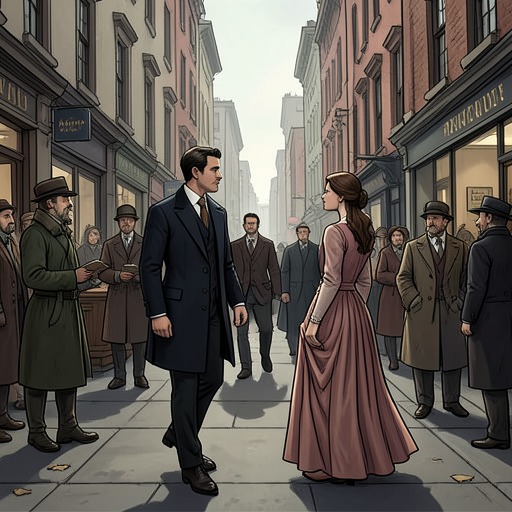
At the ball, [Eugene Oneguine](entity:character-recall-character-eugene-oneguine-05fc40bb2ae1) sees a composed, dignified woman surrounded by admirers and learns from Prince N. that she is his wife, [Tattiana Larina](entity:character-recall-character-tattiana-larina-308d85cde87e). Tattiana recognizes Oneguine but gives no sign of the turmoil their history might provoke. Her calm reception unsettles him, and he is left staring after her as she withdraws.
in the days after the Petersburg ball
Oneguine Falls in Love
[Eugene Oneguine](entity:character-recall-character-eugene-oneguine-05fc40bb2ae1) becomes consumed by a love he had once refused to recognize. He counts the hours until he can see [Tattiana Larina](entity:character-recall-character-tattiana-larina-308d85cde87e), visits her, and watches for every small sign of attention. She receives him politely but without returning his passion, while his former indifference gives way to anxious dependence.
after repeated visits fail to change her reserve
Oneguine Writes to Tattiana
Unable to speak freely to [Tattiana Larina](entity:character-recall-character-tattiana-larina-308d85cde87e), [Eugene Oneguine](entity:character-recall-character-eugene-oneguine-05fc40bb2ae1) writes her a letter confessing that he has become dependent on seeing her. He recalls the earlier moment when he restrained his feelings and admits that he mistook liberty for happiness. The letter exposes the reversal of their earlier encounter: now he is the one who confesses and waits for an answer.
after Oneguine's letter
Tattiana Refuses to Answer
[Tattiana Larina](entity:character-recall-character-tattiana-larina-308d85cde87e) does not answer [Eugene Oneguine](entity:character-recall-character-eugene-oneguine-05fc40bb2ae1)’s letters. When they meet at another gathering, she remains distant, and he sees anger rather than compassion in her expression. He retreats from society, unable to distinguish whether her silence reflects contempt, fear of scandal, or the discipline required by her marriage.
during the ensuing weeks
Oneguine's Obsession Deepens
[Eugene Oneguine](entity:character-recall-character-eugene-oneguine-05fc40bb2ae1) withdraws again and attempts to occupy himself with books, but his thoughts repeatedly return to [Tattiana Larina](entity:character-recall-character-tattiana-larina-308d85cde87e). His reading slips into visions of the dead [Vladimir Lenski](entity:character-recall-character-vladimir-lenski-3d7a7df647b3), old enemies, and Tattiana alone at her window. The past he had tried to leave behind now intrudes into every quiet moment.
in early spring
Oneguine Visits Tattiana
As winter ends, [Eugene Oneguine](entity:character-recall-character-eugene-oneguine-05fc40bb2ae1) rides to [Tattiana Larina](entity:character-recall-character-tattiana-larina-308d85cde87e)’s house without waiting for an invitation. He finds her alone, pale and weeping over a letter, and falls at her feet. Tattiana sees in his anguish the familiar man from her earlier life, but she does not mistake his new passion for a change that can undo their history.
during Oneguine's final visit
Tattiana Explains Her Refusal
[Tattiana Larina](entity:character-recall-character-tattiana-larina-308d85cde87e) reminds [Eugene Oneguine](entity:character-recall-character-eugene-oneguine-05fc40bb2ae1) of the time he rejected her in the garden, when she was young and in love. She thanks him for having acted honorably then, but asks why he pursues her now: because she is wealthy, married, and admired in society, or because she has become difficult to obtain. Her questions expose the vanity and belatedness of his desire.
at the end of Oneguine's final visit
Tattiana Chooses Fidelity
[Tattiana Larina](entity:character-recall-character-tattiana-larina-308d85cde87e) admits that she still loves [Eugene Oneguine](entity:character-recall-character-eugene-oneguine-05fc40bb2ae1) and that, in another life, she might have chosen him. Yet she declares that she is another man’s wife and will remain faithful. She leaves Oneguine with his passion unanswered, maintaining the moral boundary he once imposed when she was the one asking for love.
immediately after Tattiana leaves
Oneguine Is Left Alone
[Tattiana Larina](entity:character-recall-character-tattiana-larina-308d85cde87e) departs, leaving [Eugene Oneguine](entity:character-recall-character-eugene-oneguine-05fc40bb2ae1) stunned and motionless. The sound of spurs announces that her husband has arrived, but the narrative ends before their encounter can unfold. Oneguine’s pursuit has ended not in reconciliation but in the recognition that the opportunity he once rejected is gone.